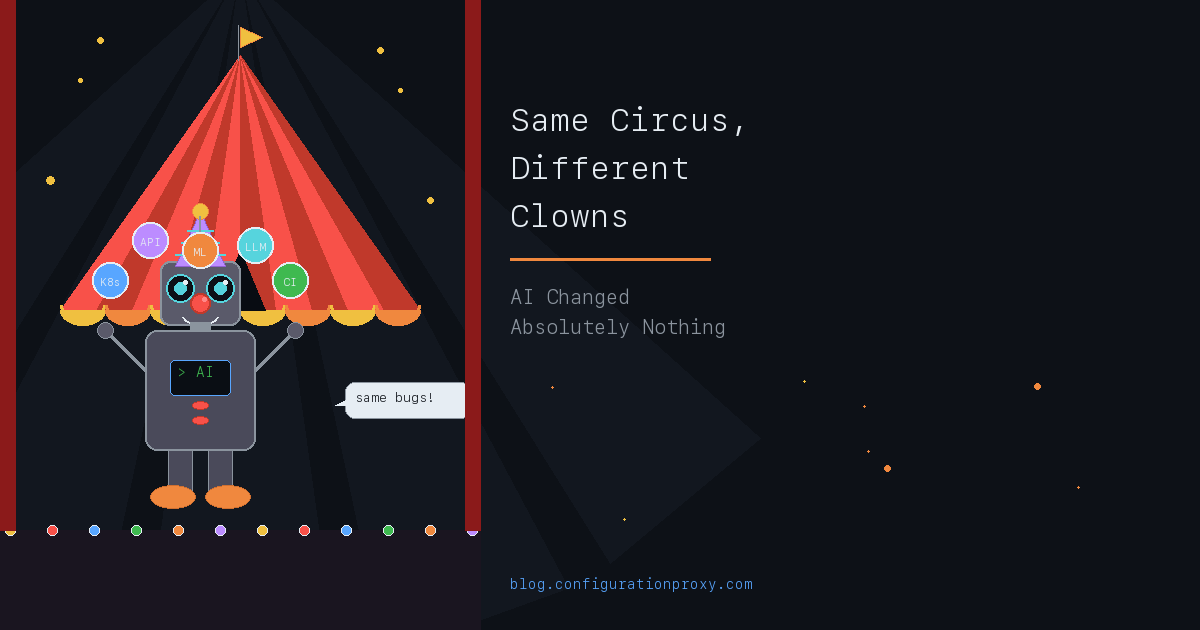
Fast. Inaccurate. Slopified.
The title is harsh on purpose. The goal is not to attack people using AI. The goal is to call attention to a growing problem: slop. Low-effort work. Unreviewed output. Garbage that wastes everyone’s time. AI can help you move faster, write faster, code faster, and ship faster. That is useful. But speed does not remove accountability. If anything, it increases the need for it. Just because AI can generate something does not mean it is ready to send, merge, publish, or ship. Read your work. Review your code. Check your attachments. Think before you hit send. Because when you do not, someone else pays for it.
Time, Anger, And Ruined Relationships.
Mistakes happen. Everyone makes them. A typo, a missed edge case, a broken link. That is normal. What becomes a problem is the constant stream of preventable mistakes caused by rushing and blindly trusting generated output. If every request, document, PR, or message is filled with slop, people stop trusting your work. Every review becomes slower. Every conversation becomes more frustrating. Every interaction starts with skepticism instead of confidence. You may think you are saving time by using AI carelessly, but the time is not disappearing. It is being transferred to everyone else who now has to review, fix, clarify, or clean up the mess. And eventually, people remember that.
Why This matters?
Time matters. Trust matters. Relationships matter. Good work compounds, but so does bad work. Consistently shipping careless output damages teams, communication, and credibility. The real cost of slop is not just lower quality. It is erosion of trust, loss of context, and eventually even worse AI outputs built on top of bad information.
Solution to the Slop
Use AI. Just use it responsibly. Build a process around what you ship. Review outputs before sending them. Create systems that produce repeatable and reliable results. If the output is not something you would confidently attach your name to, do not ship it. AI should increase quality and speed together, not replace thinking entirely. The standard cannot become “good enough because AI wrote it.” Please, stop for a second and think about the person on the other side of your work. The reviewer. The teammate. The client. The person now spending their time untangling avoidable mistakes. How would you feel if every interaction with someone else meant cleaning up rushed work, missing context, broken logic, or obvious errors? That frustration adds up. So does trust.
The Results Are In
People remember how working with you feels. If your work consistently creates confusion, extra review cycles, missing context, or obvious mistakes, that affects more than productivity. It affects relationships. The work matters. The people reviewing it matter too. Do not waste their time, or yours, by refusing to spend a few extra minutes making sure what you created is actually good.